A kneeling chair makes sense for a workstation when promoting better posture and reducing lower back pain. Its ergonomic design encourages active sitting and shifts weight from hips to shins. Users experience improved circulation and enhanced mental focus. However, proper sizing is essential for comfort and effectiveness. Alternating between a kneeling chair and a traditional chair is recommended to prevent fatigue. This innovative seating option may transform your workspace, leading to greater productivity and well-being. Explore further to discover more benefits.
Key Takeaways
- A kneeling chair is ideal for users experiencing chronic lower back pain seeking alternative ergonomic seating solutions.
- It makes sense for individuals who prioritize active sitting and improved posture for enhanced productivity.
- When your workstation involves long periods of sitting, a kneeling chair can alleviate discomfort compared to traditional chairs.
- Ideal for those requiring frequent movement, as it encourages users to shift positions and engage leg muscles regularly.
- It’s suitable for ergonomic-focused work environments, supporting overall well-being and cognitive function through better oxygen flow.
What Is an Office Kneeling Chair?
An office kneeling chair is a specialized seating option designed to enhance workplace ergonomics. This chair promotes proper spinal alignment by shifting body weight from the hips to the shins, reducing lower back pain. With a seat angle ranging from 60 to 70 degrees, it maintains the natural curvature of the spine. Modern designs include ergonomic features to increase comfort and reduce fatigue. High-quality kneeling chairs offer padded seats and knee rests that support the thighs and shins, improving weight distribution. This design minimizes pressure points while providing back support. Users frequently report benefits such as improved posture and decreased discomfort. Various height adjustments cater to individual user preferences, enhancing the overall comfort and adaptability of the workstation. For a productive work environment, consider an office kneeling chair to enhance comfort and well-being.
Benefits of Kneeling Chairs Compared to Traditional Office Chairs
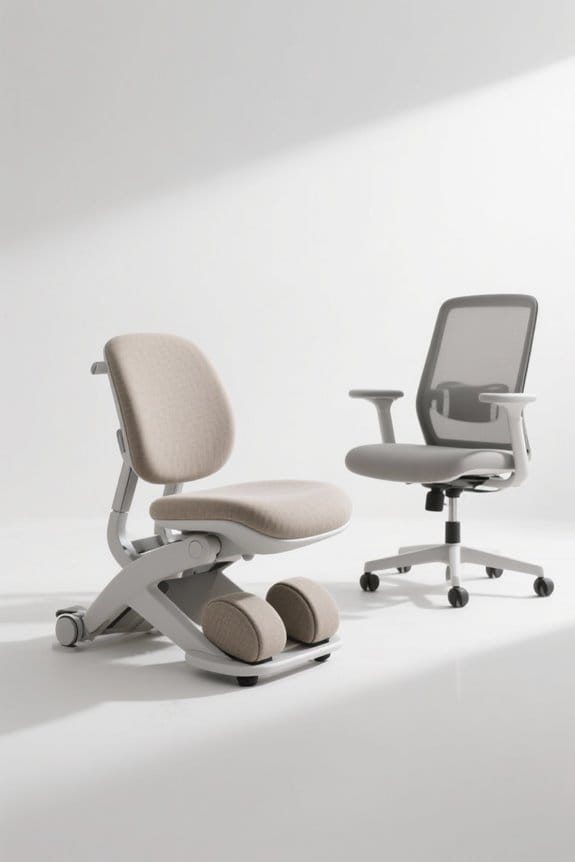
While many office workers rely on traditional chairs, kneeling chairs present various ergonomic benefits that can enhance workplace comfort and productivity. The ergonomic design of kneeling chairs promotes proper posture by angling the thighs at 60-70 degrees, which helps reduce back pain. Users often experience less pressure on their hips and lower back compared to conventional seating. Kneeling chairs encourage active sitting, allowing movement that engages core muscles and boosts energy levels. Additionally, they improve circulation and promote better blood flow, enhancing brain function and focus. For those seeking an ergonomic solution to traditional office chairs, kneeling chairs offer an effective alternative that may lead to increased productivity and overall comfort. Consider upgrading to a kneeling chair today. Many executive office chairs prioritize comfort and style, but kneeling chairs can offer unique ergonomic benefits not found in traditional designs.
Recommended Products

BROAD USE: Executive, conference, and unconventional task seating for business, office, home, education, training, healthcare, dental, hospitality, gaming, drafting – seating for anywhere and everywhere, including on hard surfaces and low-pile carpets


The stool chair is excellent for sit-to-stand applications and works well with sit-to-stand desks

How Kneeling Chairs Promote Active Sitting

Kneeling chairs effectively promote active sitting by positioning users at a 60-70 degree angle, which naturally engages core muscles. This design fosters an open hip angle that enhances spinal alignment and encourages proper posture. With ergonomic seating, users can easily shift their weight, enabling dynamic movement that reduces stiffness. Such movement maintains blood circulation and improves comfort during extended sitting periods. Active sitting in kneeling chairs can also boost cognitive function by increasing oxygen flow to the brain. Users often report feeling more energized and focused as they frequently adjust their posture. Anti-fatigue mats significantly improve comfort and reduce fatigue for extended standing duration. Overall, kneeling chairs provide a sustainable and effective solution for those seeking comfort while promoting better health and productivity in the workplace.
Potential Drawbacks of Kneeling Chairs

Active sitting can greatly enhance comfort and productivity; however, specific drawbacks of kneeling chairs deserve attention. Improper sizing of kneeling chairs can lead to increased pain and stiffness. Chairs that are too small restrict movement, while those that are too large may encourage slouching. During initial use, users may experience discomfort in their shins, requiring a brief adjustment period. Prolonged use can cause fatigue in the knees and thighs due to weight distribution primarily resting on these areas. Additionally, if the chair’s height is not suitable, it may create accessibility issues with workstation tools. Shifting between a kneeling chair and a traditional chair could be necessary to prevent discomfort and enhance overall task accessibility during the workday. Investing in ergonomic design can yield long-term health benefits, making it essential to ensure that the chair fits the user’s body properly.
Best Practices for Using a Kneeling Chair

Using a kneeling chair effectively can greatly enhance workplace comfort and productivity. To maximize benefits, users should alternate between a kneeling chair and a traditional chair. Guarantee the ergonomic kneeling chair is properly sized, with an adjustable seat that allows thighs to rest at a 60-70 degree angle to the floor. When seated, position knees on the lower pads to promote comfort and support. It’s important to regularly shift leg positions and adjust sitting posture to enhance circulation and alleviate pressure on the knees and shins. High-density memory foam cushions offer durable comfort and support, making them a valuable addition to seating arrangements. Taking frequent breaks to stand and move around helps maintain muscle engagement and prevents stiffness. Adopting these practices will lead to a more comfortable and productive work environment.
Key Features to Consider When Choosing a Kneeling Chair
Selecting the right kneeling chair involves considering several key features that can considerably impact comfort and effectiveness. First, adjustable height settings are essential for accommodating different body types and workstation preferences. Next, evaluate the seat padding; sufficient cushioning prevents pressure points on the knees and shins for long-term comfort. Also, a stable structure is vital to support the body safely without wobbling. Breathable mesh materials enhance comfort and reduce fatigue during prolonged sitting, as seen in ergonomic desk chairs like the GABRYLLY. Look for kneeling chairs with knee pads that adjust in angle to enhance alignment and promote good posture. Consider additional features, such as backrests or rocking capabilities, to further improve posture and encourage active sitting. Overall, these elements contribute to a more ergonomic and comfortable sitting experience, allowing users to work effectively throughout the day.

Recommended Products

Height adjustable sit to stand stool, height adjusts from 19.25 to 35.5 inches

FOCUS ON MOVEMENT –Reduce Back strain by transforming your sitting experience by shifting the focus from your lower back to your core and legs. This chair promotes natural spinal alignment and opens your hip angle, keeping you comfortable and upright during long work sessions at your home or office desk.

Comfortable, removable seat – The Vyper Low Pro garage stool has a thick foam seat that can be easily removed and used as a knee/rest pad for lower, hard-to-reach areas, supporting your back and knees.
Cost Factors for Office Kneeling Chairs
Cost is a significant consideration when purchasing an office kneeling chair. The average price for an ergonomic kneeling chair ranges from $85 to $2000. Various cost factors include durability and health benefits. Higher-end models generally provide better long-term support, featuring adjustable features and high-quality materials. These options often reduce back pain and improve posture. Conversely, budget-friendly chairs may lack essential ergonomic adjustments, leading to discomfort with frequent use. Buyers should carefully evaluate their needs and how often the chair will be used. Investing in a more expensive chair can lead to lower healthcare costs over time due to enhanced comfort and health benefits. Overall, selecting the right kneeling chair is crucial for peak support while working. High-quality craftsmanship ensures durability in office chairs, promoting long-term comfort and productivity.
Recommended Products

REACTIV BREATHABLE BACK SUPPORT: Ergonomic office chair with breathable ReActiv mesh back; flexes with movement to support the back while improving airflow during long work sessions at standing desks

𝐔𝐏𝐆𝐑𝐀𝐃𝐄𝐃 𝐄𝐗𝐂𝐋𝐔𝐒𝐈𝐕𝐄 𝐏𝐀𝐓𝐄𝐍𝐓𝐄𝐃 𝐃𝐄𝐒𝐈𝐆𝐍: Experience a new level of comfort with our latest model - not only with the adjustable armrests but also with an enlarged seat cushion (20" wide and 17.3" deep) and backrest (16" high), providing more versatility and freedom. With the enlarged cushions, you can choose to place your legs either horizontally on the seat or at a lower level on the footstool, entirely up to you

FOCUS ON MOVEMENT –Reduce Back strain by transforming your sitting experience by shifting the focus from your lower back to your core and legs. This chair promotes natural spinal alignment and opens your hip angle, keeping you comfortable and upright during long work sessions at your home or office desk.
Combining Kneeling Chairs With Standing Desks
The integration of kneeling chairs with standing desks offers numerous benefits for modern workspaces. This combination allows users to alternate between sitting and kneeling positions, enhancing comfort and support. Kneeling chairs promote better posture and spinal alignment, reducing pressure on the hips and lower back. By encouraging active sitting, this setup stimulates muscle engagement and improves circulation throughout the workday. Adjustable heights of standing desks make it easy to accommodate kneeling chairs, allowing for seamless shifts. Many kneeling chairs also feature designs that enhance compatibility, such as rocking bases and adjustable components. This guarantees users maintain an ergonomic seating option that supports their overall well-being. Consider integrating a kneeling chair with a standing desk for a healthier workspace experience. Anti-fatigue mats can also be used alongside these setups, as they promote better posture and reduce joint pain during extended standing periods.
Recommended Products

Leatherette Upholstery with Three Soft Pads. The SOHO Soft Padded chair is the softest in the SOHO series, featuring leatherette seat and back cushions for those who are looking for a softer, but still stylish, seating option.

【The Only Chair Engineered for Sit-Stand Desks – Eliminate the Hassle of Switching】: Tired of constantly moving between a regular chair and standing position with your height-adjustable desk? Our NEWTRAL Standing-Mate Series chair is the only patented solution designed exclusively for sit-stand workstations. It seamlessly supports sitting, perching, and leaning positions in one single unit, so you never need to juggle multiple seating solutions, saving you space, money, and the frustration of constant repositioning throughout your workday

【Adaptive 3-in-1 Mobile Workstation】Experience the revolutionary 3-Position Adjustable Tray that transforms your sitting experience. Perfectly angled at 90° for focused typing, 97° for comfortable viewing, and 104° for creative sketching - this innovative feature creates a complete mobile office that adapts to your tasks anywhere. The sleek design maintains complete functionality while offering unparalleled versatility for modern workspaces.
Real-Life Experiences: User Testimonials on Kneeling Chairs
While many individuals have embraced kneeling chairs as a transformative addition to their workspaces, personal experiences vary. User testimonials frequently highlight a significant reduction in back pain, along with improved posture during extended hours. Many report the comfort and ergonomic benefits of active sitting, which fosters core engagement and enhances productivity. Users appreciate how these chairs improve circulation, leading to better oxygen flow and cognitive function at work. However, some mention initial discomfort, particularly on their shins, but they note that adaptation often occurs with regular use. Overall, kneeling chairs can provide various advantages, making them an appealing option for those seeking to improve their work environments. Consider evaluating how a kneeling chair might enhance your own workstation today. Additionally, just like high-quality acid-free paper in bullet journal notebooks, the materials used in kneeling chairs can significantly impact their durability and effectiveness.
Making the Transition to a Kneeling Chair
Adjusting to a kneeling chair can lead to significant benefits for many users, especially those suffering from lower back pain. This alternative promotes proper spinal alignment by shifting weight from the hips to the shins. To guarantee a smooth changeover, users should start by alternating between a traditional chair and the kneeling chair. Adjustability is essential; a chair that fits improperly may cause discomfort and restrict body mobility. During use, varying leg positions helps maintain balance and comfort. A gradual change is key, including height adjustment and regular stretching to reduce any initial discomfort on the shins. By taking these steps, individuals can effectively improve posture and reap the ergonomic benefits of a kneeling chair in their workstation. Many ergonomic kneeling chairs also offer features like high-density foam cushioning, which enhances comfort during extended sitting and helps alleviate muscle fatigue.
Recommended Products

MADE FOR MOVEMENT: Reduce Back strain by transforming your sitting experience by shifting the focus from your lower back to your core and legs. This chair promotes natural spinal alignment and opens your hip angle, keeping you comfortable and upright during long work sessions at your home or office desk.
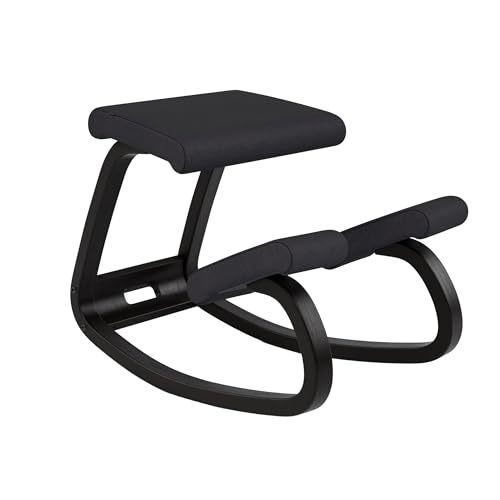
FOCUS ON MOVEMENT –Reduce Back strain by transforming your sitting experience by shifting the focus from your lower back to your core and legs. This chair promotes natural spinal alignment and opens your hip angle, keeping you comfortable and upright during long work sessions at your home or office desk.

Revolutionary Posture Support: Experience the ultimate in ergonomic design with the Sleekform East Austin kneeling desk chair. This innovative posture chair promotes spinal alignment, improving posture and reducing discomfort during extended work sessions. Ideal for home or office use, it’s your ally in maintaining long-term back health.
Frequently Asked Questions
Are Kneeling Chairs Good for Office Work?
Kneeling chairs enhance ergonomic benefits, improve posture, provide lower back support, and offer workspace flexibility, all contributing to a productivity boost. User experiences reflect varied comfort levels, highlighting design choices and health considerations for long-term usage.
Who Should Not Use a Kneeling Chair?
Individuals should avoid kneeling chairs if they experience knee discomfort, posture issues, back injuries, circulation problems, height limitations, flexibility concerns, leg strain, or balance challenges, particularly during prolonged use where seat adjustment may be inadequate.
Is Kneeling Better Than Sitting at a Desk?
Kneeling can surpass traditional sitting by enhancing posture improvement and spinal alignment through better hip angles. With increased comfort levels, productivity boosts, and fatigue reduction, kneeling ergonomics promote long-term health benefits and muscle engagement for improved well-being.
What Do Chiropractors Think of Kneeling Chairs?
Chiropractors advocate for kneeling chairs, highlighting their chiropractic benefits in spinal alignment and posture improvement. They emphasize ergonomic support, musculoskeletal health, and recommend proper sizing to avoid neck strain, promoting these chairs as effective sitting alternatives for patients.