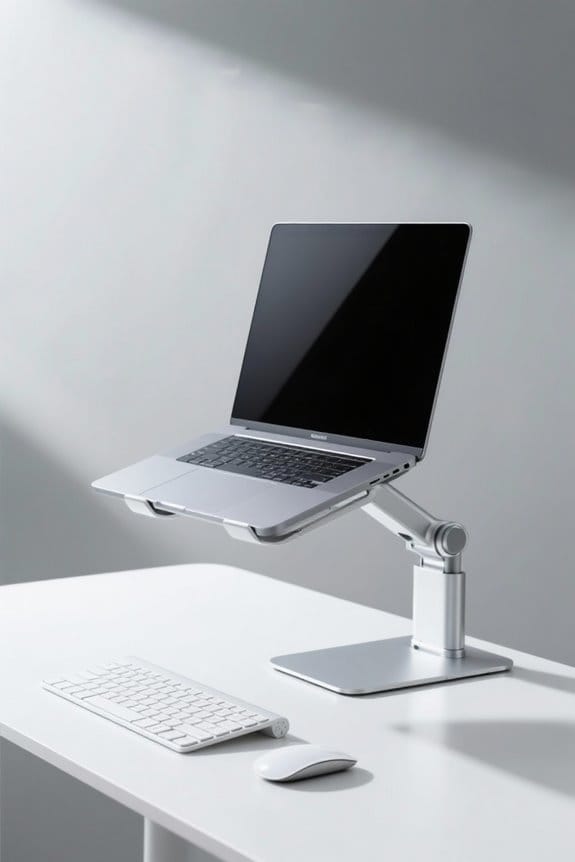
To measure for a proper workstation fit, start with seated height, ensuring thighs are parallel to the floor. Next, assess elbow height, keeping forearms parallel to the desk. Measure eye-to-screen distance, aiming for 20 to 40 inches. Adjust chair, desk, and monitor heights to promote ergonomic comfort. A well-designed workstation can enhance productivity and reduce discomfort. Interested in optimizing your workspace further? More insights and guidelines await to help you create the perfect fit.
Key Takeaways
- Measure your seated height from the floor to the top of your thigh, ensuring thighs are parallel to the ground.
- Determine your elbow height, aiming for a range of 24 to 30 inches when seated upright.
- Ensure your monitor is positioned 20 to 40 inches away, with the top of the screen at or slightly below eye level.
- Adjust chair and desk heights so thighs are parallel to the floor and elbows form a 90-110° angle with forearms parallel to the desk.
- Regularly reassess chair, desk, and monitor adjustments to maintain ergonomic alignment and comfort while working.
Assessing Seated Height
Evaluating seated height is essential for creating an ergonomic workstation. Examining seated height involves measuring from the floor to the top of the thigh while sitting. Make sure your feet rest flat on the ground or a footrest. Ideally, knees should form a 90-degree angle, which usually corresponds to a chair height of 18 to 20 inches for most individuals. Maintaining parallel thighs to the ground helps promote ideal blood circulation and reduces lower back pressure. When choosing an ergonomic chair, consider that the highest point should allow enough clearance under the desk. A desk height calculator can help determine if your selected chair and desk heights work together for proper posture and comfort. Additionally, it’s important to consider desk stability for long-term use and reliability, ensuring that the setup remains consistent and supportive during work activities.
Recommended Products

The curved design of the wide wooden handrail firmly supports the arm.

Ergonomic Chairs Designed for Comfort: Our Leap office chair lets you dial in a precise fit in all the places you need it most, allowing you to customize your seating experience for optimal comfort and productivity

As an affiliate, we earn on qualifying purchases.

Dual-Core 4D+3D Massage Technology: Experience the next level of relaxation with dual 4D+3D massage heads, offering synchronized deep-tissue massage from your neck to your thighs. Advanced mechanical hands mimic professional massage techniques, adjusting intensity in real-time for precise, targeted relief at your key pressure points.
Determining Elbow Height

Elbow height plays an essential role in guaranteeing a comfortable and ergonomic workstation. To determine elbow height, individuals should sit upright with their backs supported. They must measure from the floor to their elbows while keeping forearms parallel to the ground. Typically, elbow height ranges from 24 to 30 inches (61 to 76 cm), depending on body proportions. It is imperative to maintain a 90 to 110-degree angle at the elbows when resting on the desk surface. Adjusting chair height guarantees elbows are at or slightly above desk level, preventing strain. Utilizing a desk height calculator can facilitate precise adjustments, contributing to an ergonomic workstation tailored to personal measurements. Proper setup enhances comfort and promotes productivity. For secure storage of keys in a workplace, key lock boxes offer robust materials and customizable security mechanisms to ensure safety and accessibility.
Recommended Products
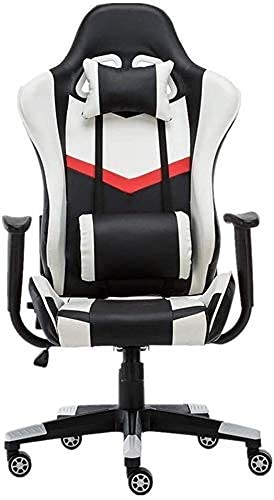
Product Details: The gaming chair can be adjusted from 90° to 160° according to the comfort of the back.


The backrest can be adjusted from 90° to 145°, and the seat height can be adjusted.

[RIBBED DESIGN & EXECUTIVE STYLE] Features a sleek, professional design, and the backrest and seat feature a ribbed design with horizontal stitching that creates evenly spaced, padded sections for a textured and contemporary look. The built-in padding provides gentle support along the back and seat, offering a stable and well-defined seating surface.
Measuring Eye-to-Screen Distance
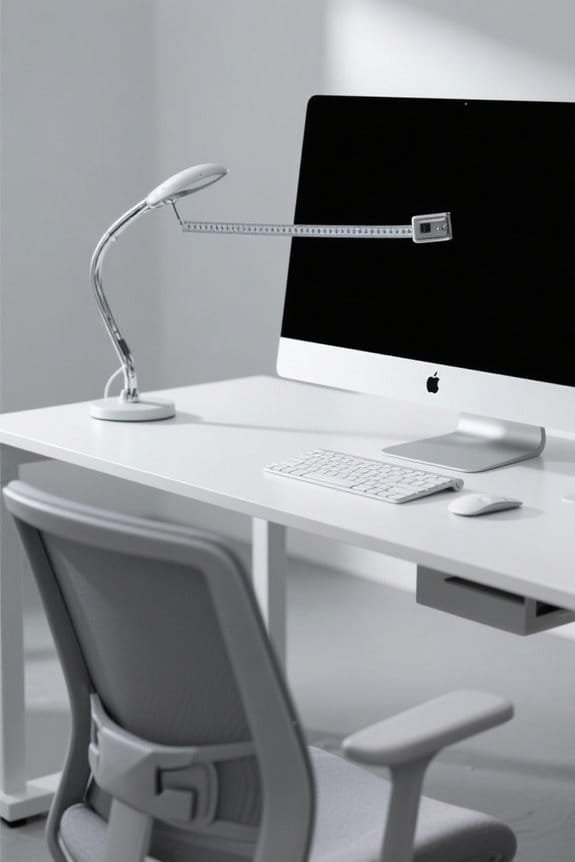
Achieving the correct eye-to-screen distance is essential for creating an ergonomic workstation. The ideal distance between your eyes and the computer monitor should be between 20 to 40 inches. This range promotes comfortable viewing and minimizes eye strain. To further enhance comfort, the top of the monitor should be at or slightly below eye level, which helps prevent neck strain. Bifocal users may need to lower the monitor by 1 to 2 additional inches for proper visibility. Positioning the monitor directly in front of you supports a neutral neck posture. Regular adjustments to the monitor’s distance and angle can also reduce glare and improve visual clarity. Implement these ergonomic practices for a more efficient workspace. Additionally, consider weather resistance features when selecting materials for outdoor settings, as these elements can influence the durability and longevity of your workstation setup.
Recommended Products

Ergotron StyleView Sit-Stand Combo System. Maximum weight (capacity): 13.2 kg, Maximum screen size compatibility: 60.96 cm (24"), VESA mounting interfaces compatibility: 75 x 75, 100 x 100 mm. Height adjustment range: 0 - 640 mm, Tilt angle: -30 - 30, Pan range: 0 - 360. Colour of product: Aluminium, Material: Aluminium. Package width: 94.2 cm, Package depth: 56.1 cm, Package height: 28.2 cm

Broad compatibility: Fits four screens up to 40 inches and 7 to 11 pounds each; compatible with VESA patterns 75x75mm and 100x100mm
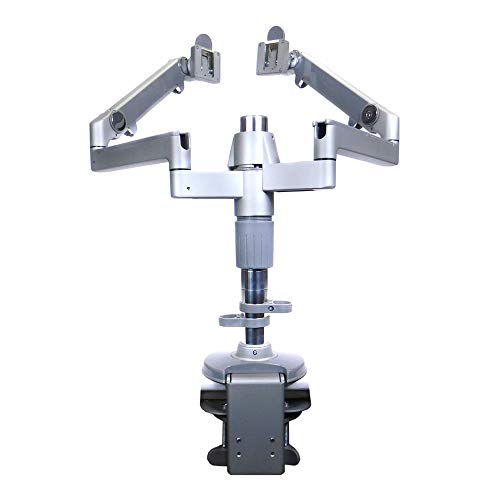
Supports one or two monitors
Adjusting Chair, Desk, and Monitor Heights

Proper adjustments to chair, desk, and monitor heights are essential for an ergonomic workstation. To adjust chair height, verify that thighs are parallel to the floor with feet flat on the ground or on a footrest. Desk height should allow elbows to form a 90-110° angle, keeping forearms parallel to the desk when seated. The monitor should be positioned so the top third of the screen meets eye level, reducing the risk of back pain. For those using bifocals, lowering the monitor by 1 to 2 inches accommodates lens positioning. Regularly reassess and adjust chair height, desk height, and monitor placement to maintain comfort and ergonomic alignment throughout the workday. For enhanced comfort, consider using high-density memory foam cushions that contour to the body and provide durable support. This practice promotes better health and productivity.
Recommended Products

DELL USA AUTHORIZED - Includes Full DELL USA WARRANTY | Dell UltraSharp U3824DW 38" 3840x1600 60Hz 21:9 5ms IPS Curved Monitor

Extra-large worksurface: 37.5 x 23-inch worksurface comfortably supports two monitors or a monitor and laptop; easily accommodate a standard keyboard and mouse on the 27 x 11-inch keyboard tray; supporting 10 to 40 pounds, this desk effortlessly holds all the essentials
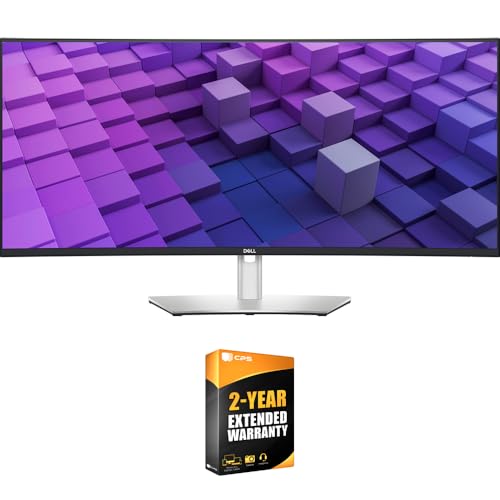
DELL USA AUTHORIZED - Includes 2 Year Extended Protection Plan in ADDITION to the Included FULL Manufacturer Protection
Importance of Ergonomic Comfort

Ergonomic comfort plays an essential role in the workplace, influencing both employee well-being and productivity. Proper desk height, along with the use of a sit-stand desk, can notably reduce the risk of musculoskeletal disorders, affecting around 30% of working adults. When workstations are well-designed, studies indicate that productivity can increase by up to 40%. Additionally, prolonged sitting contributes to discomfort, with 70% of office workers experiencing chronic pain. By optimizing workspace settings, 87% of employees report feeling happier and more productive. Regular breaks and adjustable desk heights can reduce eye strain by 30%, highlighting the need for proper monitor placement. Adjustable desks with memory presets available enhance tailored height adjustments, providing personalized ergonomic comfort. Investing in ergonomic comfort can create a healthier and more efficient work environment for all.
Recommended Products
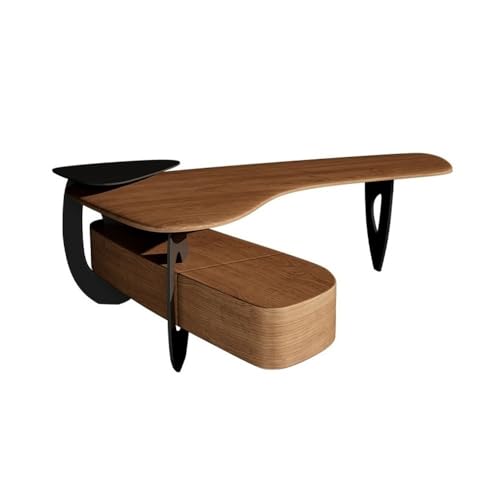
Heavy-duty support for all office/gaming needs.

Drawing table with wood table top. Works also as a crank adjustable desk. Tiltable wood desk top.

LUXURIOUS SLATE DESKTOP: The distinctive texture of the natural rock undergoes a refined transformation through the intricate process of fine carving molding, resulting in a stunning effect.The modern trapezoidal legs add to the premium desk's overall aesthetic and give it a contemporary charm that will impress anyone who sees it.
Frequently Asked Questions
How to Make Your Workstation Fit You?
To make a workstation fit, he adjusted the chair for appropriate armrest height, guaranteed keyboard placement allowed for a neutral wrist position, and maintained ideal monitor distance to reduce eye strain, maximizing overall comfort and ergonomics.
How Tall Should My Desk Be Based on My Height?
Like a well-fitted suit, desk height should align with individual measurements. Following desk height guidelines, standard desk measurements typically range from 28 to 30 inches, necessitating adjustments for ideal ergonomic desk styles that guarantee comfort.
Where Should Your Feet Be When Your Workstation Is Setup Correctly?
Proper foot positioning requires feet to rest flat on the floor, ensuring workstation comfort and ideal leg clearance. This positioning promotes proper posture and enhances circulation, reducing the risk of developing musculoskeletal issues over time.
What Is an Ergonomically Correct Workstation?
An ergonomically correct workstation features ergonomic design principles, ensuring proper alignment of equipment and furniture. Regular workspace assessment enhances comfort, reduces strain, and offers productivity benefits by accommodating individual body dimensions and encouraging healthy posture during work.