To improve sitting posture at the desk, a footrest should support the feet firmly. It helps maintain an open angle of 90 to 110 degrees at the knees. This position reduces strain on the lower back and promotes proper spinal alignment. Choose adjustable footrests to match individual heights and guarantee effective use. Experiment with tilting or rocking features for added comfort. By incorporating a footrest, individuals can enhance productivity and comfort while working. More insights await those who explore further.
Key Takeaways
- Adjust the footrest height to achieve a 90–110-degree angle at your knees, supporting optimal sitting posture.
- Utilize tilting and rocking features to encourage natural ankle movement and prevent fatigue during extended desk work.
- Ensure your feet are fully supported, preventing dangling and promoting better circulation to reduce strain on thighs and lower back.
- Choose a footrest with a stable, non-slip base to ensure safety and proper positioning during use.
- Regularly reassess footrest settings as your seating position changes to maintain ergonomic support throughout the day.
Importance of Footrests for Sitting Posture
A footrest plays an essential role in maintaining proper sitting posture. It helps achieve a neutral sitting position by keeping the feet flat and supported. This support reduces strain on the knees and promotes better lower back health. Footrests are particularly beneficial for shorter individuals, preventing legs from dangling. This adjustment alleviates pressure under the thighs, enhancing comfort during long hours at a desk. An ideal footrest positions the hips and knees at an open angle of 90 to 110 degrees. This fosters better spinal alignment and reduces the risk of musculoskeletal strain. High-quality footrests offer adjustable features for a personalized ergonomic set-up. Investing in a footrest leads to noticeable improvements in overall sitting posture and health. Additionally, using a footrest can complement adjustable height desks by further enhancing ergonomic benefits and overall comfort in a workspace.
Benefits of Using a Footrest at Your Desk

Footrests provide significant benefits for individuals working at desks. A footrest helps promote a neutral sitting position, allowing shorter individuals to reach proper desk height. This adjustment reduces the risk of muscle strain and discomfort from dangling legs. Additionally, using a footrest can improve circulation by elevating the feet, which lowers the potential for varicose veins from prolonged sitting. Ergonomic footrests that encourage movement further enhance leg circulation, helping to prevent fatigue during long hours. By evenly distributing weight and minimizing pressure on the thighs, footrests offer proper support for extended sitting periods. Implementing a footrest can lead to a more ergonomic workspace, increasing productivity while reducing physical distractions. Ergonomic design considerations, like those found in armrest pads, can complement the benefits of a footrest, further enhancing comfort and support. Invest in a quality footrest for a better desk experience.
Recommended Products

BUILT TO LAST. Designed with 16-gauge, commercial-grade tubular steel, its sturdy base withstands the toughest schoolroom conditions and keeps going strong. Covered with a black powder coat finish to help resist chipping and scratching for years of dependable use.


Adjustability - 9-Position Height

Standing Footrest: Safco Task Master Adjustable Footrest may help relieve pressure points when standing or sitting for long periods of time; The textured, anti-slip platform mounts at an 8-degree angle and adjusts for individualized comfort
How Footrests Promote Better Circulation

Improved circulation is one of the key advantages of using a footrest in a sitting environment. A footrest elevates the feet, promoting better blood flow to the lower extremities. This elevation maintains an open angle at the knees, reducing blood pooling in the legs and decreasing the risk of conditions like varicose veins. By supporting the feet, footrests alleviate pressure on the thighs, allowing for better weight distribution. Additionally, rocking footrests encourage gentle movement, further stimulating leg circulation and enhancing oxygen delivery throughout the body. Footrests can also prevent dangling feet, which constricts blood flow and causes fatigue. Incorporating a footrest can greatly improve circulation during prolonged sitting sessions, contributing to overall comfort and health. For those who prefer standing desks, anti-fatigue mats are an excellent alternative for enhancing circulation and reducing strain during prolonged standing.
Choosing the Right Footrest for Your Needs

Selecting the right footrest can considerably enhance comfort and posture while sitting. When choosing an ergonomic footrest, consider height adjustable options ranging from 2 to 5 inches. This feature accommodates various users and promotes comfort throughout the workday. Look for a footrest width between 15 to 24 inches for adequate leg positioning without strain. Additionally, an adjustable angle between 30-45 degrees supports natural ankle movement. Opting for durable materials like metal or aluminum guarantees longevity and prevents cracking. Finally, verify that the footrest allows your knees to rest at a comfortable 90 to 110-degree angle. Making informed choices, such as choosing a footrest that supports ergonomic positioning, leads to improved sitting posture, thereby enhancing overall productivity and well-being in a workspace.
Recommended Products


The curved design of the wide wooden handrail firmly supports the arm.

360° Rotating Footrest for Enhanced Comfort & Accessibility The innovative 360-degree rotating footrest allows for seamless adjustment to accommodate users of various heights and sitting preferences. Whether you're reclining or seated upright, this versatile design provides optimal support and ensures that your legs and feet remain perfectly aligned for maximum comfort during every massage session.

4-Motor Precision Adjustability: Silent electric motors independently control height, backrest, leg rest, and tilt for perfect positioning in the spa or exam treatment sessions.
Setting Up Your Footrest for Optimal Performance

Setting up a footrest correctly can greatly enhance a user’s sitting experience. First, adjust your chair height for proper arm positioning before configuring the footrest. Position the footrest 6–12 inches back to guarantee a natural alignment with your feet and maintain a 90–110-degree angle at the knees. Next, set the footrest height so your feet rest flat and fully supported to prevent discomfort. Additionally, tilting the footrest to a slight positive angle can encourage natural ankle movement. This promotes better circulation and reduces fatigue during long periods of sitting. Regularly check for any pressure points on your feet and make necessary adjustments to both height and tilt. A footrest provides stable support, enhancing overall ergonomic effectiveness. Using a high-density memory foam cushion can further improve comfort and support by contouring to your body, reducing pressure points.
Recommended Products

[COMFORT FOR ADULTS] Experience premium relaxation engineered specifically for fully grown adults. This heavy duty recliner chair features a spacious 22 inch seat width, a supportive backrest, and an overall 43.5 inch height designed to promote proper posture and full body comfort. The extended 66.5 inch recline depth allows complete head to toe relaxation while supporting up to 350 lbs per seat. Whether used as home theater seating, a living room chair, or a lounge chair, this power recliner loveseat delivers exceptional comfort beyond a traditional couch or loveseat sofa.

[COMFORT FOR ADULTS] Designed for fully grown adults who want true ergonomic support during movies gaming and daily relaxation, this heavy duty recliner chair features a spacious 22 inch seat width paired with a supportive 26 inch tall backrest for improved posture and full body comfort. The extended 67.5 inch full recline length allows complete head to toe relaxation while supporting up to 350 lbs per seat. Whether used as home theater seating a living room chair or a lounge chair this power recliner loveseat delivers spacious comfort beyond a standard loveseat sofa or traditional couch.

Power Headrest: The Oslo comes with powered headrests. You can adjust the headrest and keep your head in the most comfortable position, which will ensure that you can view your favorite movie while lying down.
Elevating Your Feet: The Correct Way
To guarantee ideal comfort during long sitting sessions, elevating the feet correctly is essential. The height of the footrest should be between 2 to 5 inches to maintain a comfortable 90-110 degree angle at the knees. By elevating your feet to this level, individuals can reduce strain on the lower body. Position the adjustable footrest about 6-12 inches away from your chair to facilitate natural resting. Additionally, tilting the footrest slightly encourages natural ankle movement, promoting better blood circulation. Regularly adjusting the height and tilt of the footrest within 3 to 7 days can enhance ergonomic benefits. This practice also prevents dangling feet, alleviating pressure and improving weight distribution while sitting. Consider investing in a quality footrest today. Using ergonomic design features like adjustable footrests can significantly improve posture and reduce discomfort during prolonged sitting.
Common Misconceptions About Footrests
Misconceptions often cloud the understanding of footrests and their role in promoting proper sitting posture. Many believe that any elevated surface can serve as a footrest, when in fact, an effective footrest is often adjustable in height and tilt. Fixed-height models can lead to contact stress on the legs and poor circulation. Some users think that simply resting their feet on the ground is adequate, but footrests help maintain a neutral position, improving knee and ankle alignment. Furthermore, footrests benefit all users, not just shorter individuals, by preventing dangling legs. Finally, while footrests enhance posture, they cannot resolve all chronic back issues. A thorough ergonomic solution remains essential for ideal comfort. Looking for options with a non-slip base can enhance stability, similar to the benefits seen in quality wrist rests.
Footrests and Their Impact on Lower Back Pain
Properly using a footrest can considerably impact lower back pain. A footrest under your desk helps maintain a 90–110-degree angle at the knees, which promotes better seated posture. This adjustment reduces strain on the lower back and enhances lumbar support in chairs. Additionally, using a footrest can alleviate lower back pain by minimizing spinal load during long periods of sitting. Static seating without proper foot positioning often increases discomfort; however, a footrest enhances overall alignment and decreases pressure on the spine. Regularly elevating feet also improves blood circulation, reducing muscle fatigue. By engaging a footrest, users can shift weight and promote movement, further easing lower back strain during extended desk time. Furthermore, compact craft organizers are designed to be portable and efficient, similar to how a footrest is designed to improve posture efficiently.
Recommended Products

[COMFORT FOR ADULTS] Designed for fully grown adults who want true ergonomic support during movies gaming and daily relaxation, this heavy duty recliner chair features a spacious 22 inch seat width paired with a supportive 26 inch tall backrest for improved posture and full body comfort. The extended 67.5 inch full recline length allows complete head to toe relaxation while supporting up to 350 lbs per seat. Whether used as home theater seating a living room chair or a lounge chair this power recliner loveseat delivers spacious comfort beyond a standard loveseat sofa or traditional couch.

WILL THIS ACTUALLY HEAL MY CHRONIC BACK PAIN? ABSOLUTELY: Revolutionary heated back rollers deliver continuous therapeutic warmth WHILE massaging (not just stationary heat), combined with true 4D technology that mimics human therapist hands – finally get the deep, healing relief your muscles desperately need.
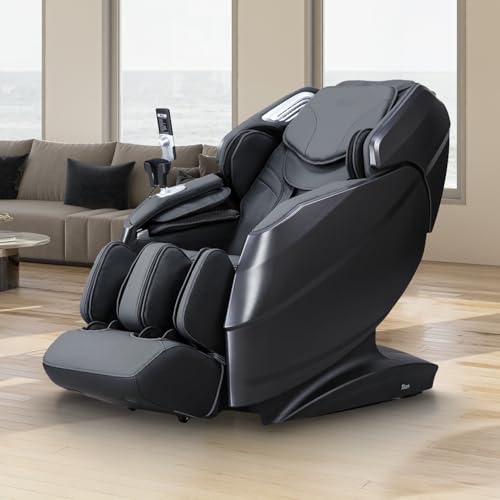
EFFECTIVE FULL-BODY RELIEF MASSAGE (NECK, BACK, LEGS, FEET): Targets the areas that actually need attention—neck tension, lower back, tired legs, achy feet. Heat therapy goes where you need it (lumbar, chest, stomach). One session covers everything from sitting at a desk all day or general tension. You don't need multiple tools; this does it all in 20 minutes.
Balancing Sit and Stand: Incorporating Footrests
Incorporating footrests into a sit-stand routine can greatly enhance workplace ergonomics. Regularly alternating between sitting and standing while using a footrest improves blood circulation. This practice helps mitigate discomfort from prolonged static positions. Utilizing a footrest while seated promotes proper alignment, reducing lower back strain during changes between sitting and standing. Footrests also provide a stable base for workers, allowing them to shift their weight and accommodate dynamic movement. Additionally, elevating one foot at a time while standing supports better balance and decreases fatigue in the lower back. This adjustment can lower strain on knee joints, contributing to a more ergonomic workstation. Workers should consider integrating footrests to guarantee comfort and enhance productivity throughout their workday. A chair mat for carpet can also improve workspace efficiency by protecting floors and reducing wear from rolling chair wheels.
Different Types of Footrests Available
Footrests come in various types, each designed to enhance comfort and promote better posture while sitting or standing. Multi-height adjustable footrests provide versatility for different user heights, ensuring ideal comfort in long sitting sessions. Two-level adjustable footrests offer an affordable option, supporting neutral desk positioning for shorter individuals. Rocking and locking footrests encourage dynamic movement, fostering leg circulation and reducing discomfort associated with prolonged sitting. Stabilizing footrests cater to sit-stand workstations, allowing weight shifts to alleviate fatigue when standing. For elevated work counters, tall footrests give users the added height needed for proper office ergonomics, helping to mitigate back pain. Exploring these footrest options allows individuals to find the best fit for their ergonomic needs. Lockable file cabinets often come with mobility features, such as wheels and casters, which can enhance the adaptability of office setups.
Recommended Products

3 Electronic Motor Control for Height, Backrest and Leg-rest Adjustments. Armrest, Headrest and Foot Extention are Manually Adjusted and removable as well.

TOP-GRAIN LEATHER: Weilianda home theater seating is designed to provide the ultimate level of comfort and convenience for your movie and gaming experience. Made with top grain leather, this recliner chair is not only stylish but also incredibly durable and comfortable. The high-quality leather is soft to the touch and is easy to clean, ensuring that your seating will look great for years to come.

TOP Grain Leather: Weilianda home theater seating is designed to provide the ultimate level of comfort and convenience for your movie and gaming experience. Made with top grain leather, this recliner chair is not only stylish but also incredibly durable and comfortable. The high-quality leather is soft to the touch and is easy to clean, ensuring that your seating will look great for years to come.
Tips for Adjusting Your Footrest Throughout the Day
Adjusting a footrest throughout the day can considerably enhance comfort and support. Regularly modify the height to guarantee a 90–110-degree angle at your knees. This promotes proper alignment and allows your feet to rest flat. As seating arrangements change, reposition the footrest for peak support. Tilt it to a positive angle to facilitate natural ankle movement and improve blood circulation. Intermittently using a rocking footrest can encourage movement, preventing discomfort and fatigue. Make small adjustments as needed to relieve pressure points and enhance overall comfort. Such mindful adjustments can foster a better working environment. Prioritize ergonomic choices like these for improved productivity and well-being. Consider how simple changes can lead to significant benefits in your daily comfort.
Enhancing Focus and Reducing Distractions With Footrests
When a workspace is designed with proper ergonomic elements, focus and productivity can greatly increase. A footrest plays an essential role in achieving this. By promoting a neutral sitting position, it helps individuals sit upright, reducing muscle strain and tension. This not only minimizes physical discomfort but also decreases mental distractions. Enhanced blood circulation through the use of a footrest prevents fatigue, ensuring sustained energy levels. Grounding oneself with a footrest creates a calm environment conducive to work. Regular adjustments can further improve overall posture, which correlates with better cognitive function. By integrating a footrest into the workspace, one can foster a more focused atmosphere, ultimately supporting efficiency and productivity. Consider investing in a quality ergonomic footrest today.
Frequently Asked Questions
Do Foot Rests Help With Posture?
Footrests considerably improve posture by providing ergonomic benefits. Various footrest types accommodate different desk setups, ensuring feet are properly supported, enhancing blood circulation, and promoting better alignment, thereby reducing strain and discomfort from prolonged sitting.
How to Use a Footrest at a Desk?
To use a footrest at a desk, select appropriate footrest types, adjust for desk alignment, and consider ergonomic benefits. Regular adjustments enhance comfort, ensuring feet rest flat while promoting stability and reducing fatigue during prolonged sitting.
What Is the Correct Posture for Sitting With a Foot Rest?
Studies show that 60% of office workers experience discomfort from poor posture. Correct posture with a footrest features ergonomic design, ideal foot placement, and a knee angle of 90 to 110 degrees, enhancing comfort and reducing strain.
Should I Use a Foot Rest at the Desk?
Using a footrest at the desk offers significant benefits such as improved posture and comfort. Choosing the right footrest and following proper placement tips can enhance ergonomics, making long hours more manageable and productive.